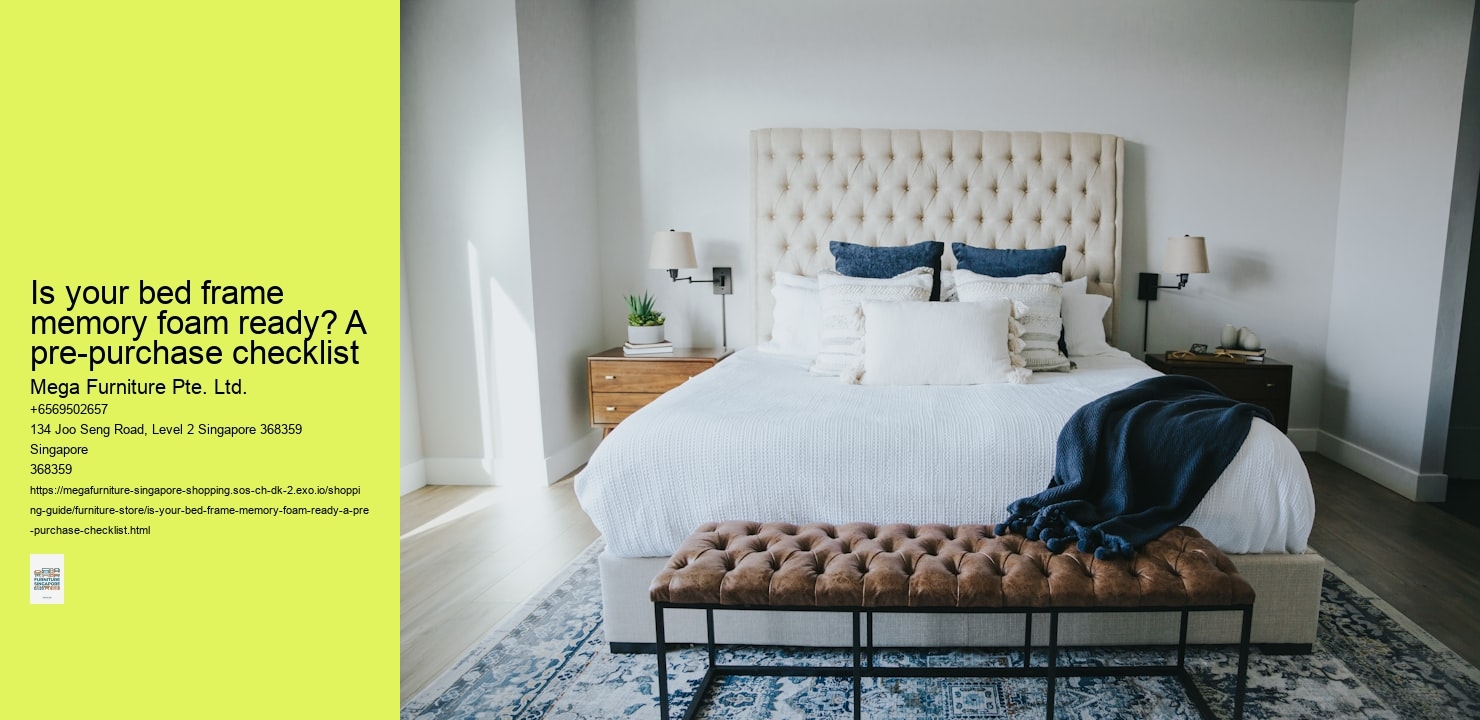
Most 12 sqm master bedrooms in 3-room flats feel tight before you even bring in the furniture. A Queen mattress takes up space immediately. Headboard height matters more than you think. If you block the socket, the charger won't reach the phone. That is a daily annoyance. Many buyers pick a bed frame first, then the mattress. This order is wrong. Measure the room, then measure the frame. Leave 60cm clearance on the exit side. Anything less feels claustrophobic.
Delivery access often gets overlooked until the movers arrive, and that is when the panic starts. HDB lift doors are around 90cm wide. Some older blocks are tighter. A rigid frame might not fit inside. There's no single best mattress — only the best one for how you sleep, in a climate that punishes the wrong choice. The honest filter for the best mattress in Singapore starts with our weather: high humidity and warm nights mean breathability and temperature regulation matter as much as support, so a mattress that feels perfect in a cold country can sleep sticky and hot here. The main constructions each suit a different sleeper — memory foam contours and relieves pressure for side sleepers but can trap heat unless it's cooling-gel or open-cell; pocket spring gives bounce and motion isolation for couples; hybrid combines coils for airflow with foam or latex on top, which is why it's the popular all-rounder for hot, shared beds. Firmness matters too: a medium-firm mattress is the common recommendation locally, supporting the spine without letting you sink in and trap heat. The real test is lying on it for a few minutes in each sleeping position — that feel test beats any spec sheet.. Flexible mattresses bend where rigid frames cannot, saving the delivery day. You want a memory foam that arrives easily. Don't force a King into a 3-room master. It fits the room but not the lifestyle. Storage beds need overhead clearance. Hydraulic lifts need space.
Airflow is critical in humid Singapore weather. Solid bases trap moisture under the foam. Slatted frames breathe better. Humidity, that one really kills leather and foam alike. You want gaps between the slats. Wall sockets in 3-room flats sit low sometimes. Tall headboards hide them, which means no charging station. Get a low profile frame. Exception is the storage bed, but that one needs height. Otherwise, keep it simple to ensure the room stays breathable.
Measuring sleep quality improvements with a new memory foam mattress
Most 4-room BTO master bedrooms measure around 3.5 by 3 metres, which translates to roughly 12 square metres of floor space. A Queen mattress sits squarely in the centre. Add a thick memory foam slab and the bed height climbs significantly. High bases eat space. Clearance gets swallowed up quickly. Even a 152 by 190cm bed can dominate a small room if the base is too high.
Humidity, that one really kills foam if the air cannot move. Singapore air stays heavy all year round, often hovering near 80 per cent. Poor airflow traps moisture against the floor and the mattress base. A low-profile frame allows air to circulate underneath, which keeps the foam dry without needing dehumidifiers running constantly. If the air cannot move, dampness settles in the corners. You want to avoid the situation where the bed breathes, but the room does not.
Structural support matters too when you sink into a dense foam. Heavy slabs need solid bases to prevent sagging over time. You can get a platform that is both low and strong enough to handle the weight. Some buyers think high frames look more luxurious. They end up with mould underneath instead. Storage beds are tempting. But the overhead clearance needed for a hydraulic lift often makes the room feel more claustrophobic. A sturdy frame that sits low is the better choice for long-term health. It preserves the room's volume.
Singapore air sits heavy. It rests at eighty percent humidity year-round without much change. Memory foam absorbs moisture from the surrounding environment without airflow. Trapped dampness inside the core softens the internal structure over time. This degradation happens silently until the mattress no longer supports sleepers. Providing proper ventilation stops the cycle before permanent damage sets in.
Gaps between slats must allow air to circulate through the frame. Standard plywood bases block this movement entirely underneath the bed. Wider spacing creates channels for moisture to rise and dissipate. Narrow gaps trap heat just enough to encourage mould growth. Check the showroom display to measure the centimetre distance yourself. You need clear space for the air to move freely.
Solid wood platforms look sturdy but hold heat against the foam. Slatted frames found in local showrooms offer necessary breathability for sleepers. HDB master bedrooms often lack cross-ventilation without this structural help. You need the gap between the slats to function like an open window. Without it, the foam becomes an incubator for unwanted bacteria. Proper choice matters more than the initial price tag.
Body heat pushes moisture down into the mattress layers during sleep. A solid base prevents this sweat from evaporating back into the room. Slats provide a path for the dampness to leave the core. This drying process happens naturally when the air moves freely below. Stagnant air leads to a musty smell that lingers in the flat. Moisture needs a route to escape the interior layers.
Investing in a breathable frame protects the high cost of the foam. Cheap solid bases might save money upfront but cost more later. Moisture damage usually voids the warranty on expensive mattress models. Ensure the bed frame matches the climate requirements of the region. Your sleep quality depends on how well the air flows beneath you. Ventilation is the key to lasting comfort.
Headspace matters a great deal. Executive condominiums often come with ceiling heights that feel lower once a heavy base sits underneath. A memory foam mattress sits high enough on a standard frame, but add a thick base and you lose headroom, making the room feel boxed in and the air circulation stops working properly. This is why many downsizers prefer a simple slat system over a solid box base. You get better airflow without the bulk. The foam needs to breathe to perform well in Singapore humidity.
Storage comes at a cost. Hydraulic lift-up beds need overhead clearance that low ceilings do not provide. You get the storage, but you might not get the mattress comfort you want. Low profile frames simply cannot accommodate the lifting mechanism in tight spaces, so you will have to choose between hidden luggage and a proper memory foam setup, which requires careful planning. This one is important for the long term. It is better to keep bedding in a wardrobe.

Measure carefully before you buy. Delivery teams often struggle with angled corridors in executive units, so ensure the bed frame can actually make the turn without getting stuck halfway or damaging the wall paint, which costs extra to fix. Inspections happen before the mattress goes in, so you must check the measurements first. Check the doorways and the lift. A rigid frame won't bend like a flexible mattress can. You don't want to pay for a return delivery.
Solid wood or plywood frames outlast particleboard construction when humidity reaches 80% plus. Rubberwood serves as a common affordable hardwood option that resists warping better than cheaper alternatives. Full-grain leather lasts best, though bonded or PU options may peel over years in tropical heat. Performance fabrics like Crypton or Sunbrella resist stains effectively in high-traffic living spaces.
Digital photos hide the sinkage of your body weight. You might love the look in a photo but hate the comfort in reality. That 152 by 190cm Queen size looks perfect on paper but feels wrong in a 12 sqm HDB common bedroom when you actually lie down and check the spine alignment. You need to sit on the frame first — visit the Megafurniture showroom at Joo Seng or Tampines. Somnuz® mattresses are designed to be tested, not just ordered from a screen.
Fabric weave tells a story about longevity. Soft touches often wear thin quickly. You will feel the difference between a loose weave and a tight one, which dictates how long it lasts before it starts to pill and fray. A 12 sqm HDB common bedroom needs a bed that fits. Don't guess the clearance. Check the room yourself, then sit on the frame edge. Test firmness before buying. Want to know if it sags. Want to know if it holds.
This one is a toss-up between models. But the Somnuz® line stands out for support. If you want a king bed, check the lift first. Standard King around 182–183x190cm might not fit a 90cm lift door, which is the real limit for old blocks before you even enter the corridor. Most master bedrooms take a King with careful layout. Get the measurements before delivery. Some flats got narrow corridors.
Most buyers assume delivery means straight into the bedroom, but lifting a bed frame into a lift often hits a dead end. We have all seen the courier sweating outside a lift door that is just a few centimetres too narrow for a bed. The promise of free delivery often vanishes once you hit the first turn.
Does CBD delivery guarantee a morning slot? You might get promised an 8am arrival but traffic in the CBD turns trucks around. Does warranty hold if you move houses? You need the original paperwork and the new address before you break the seal. Most shops cover defects, not weather damage or moisture damage.
Is there humidity protection for memory foam? Heat and damp affect foam density over time without a proper cover. Are delivery fees standard across East Coast? Some stores charge a flat fee while others hike charges during monsoon season. Check the fine print before you sign.
Showroom floors always look wider than the actual HDB corridor. You measure the bed frame, but forget the lift door. That 90cm opening is the real limit for delivery. A king size might fit the room, but it won't fit the lift. Most master bedrooms take a king with careful layout, but a room under ~3x2.5m feels cramped. Leave ~60cm clearance on the exit side. If the frame is rigid, you cannot bend it through a 90cm door, which means you need to measure the internal corridor turn before paying any deposit.
Humidity kills memory foam faster than you think. SG air sits around 80%+ all year round. Low-density foam absorbs moisture without warning. Solid wood moves, but particleboard swells. You need kiln-dried timber or a ventilated base. Storage beds need overhead clearance for the hydraulic lift. Drawer space eats floor space beside the bed. West-facing flats get strong afternoon sun that fades fabric and dries leather, which is another reason you must verify warranty terms before handing over cash.
Warranty terms differ for the frame and the mattress. Many cover defects but ignore humidity damage. That means mould on a leather headboard isn't always covered. Pay the deposit only when you verify clauses. The showroom staff will push for the sale, so you need to ensure everything is in order before you pay lah. Don't sign until the paperwork is finalised. It covers frame defects, not fabric wear.